
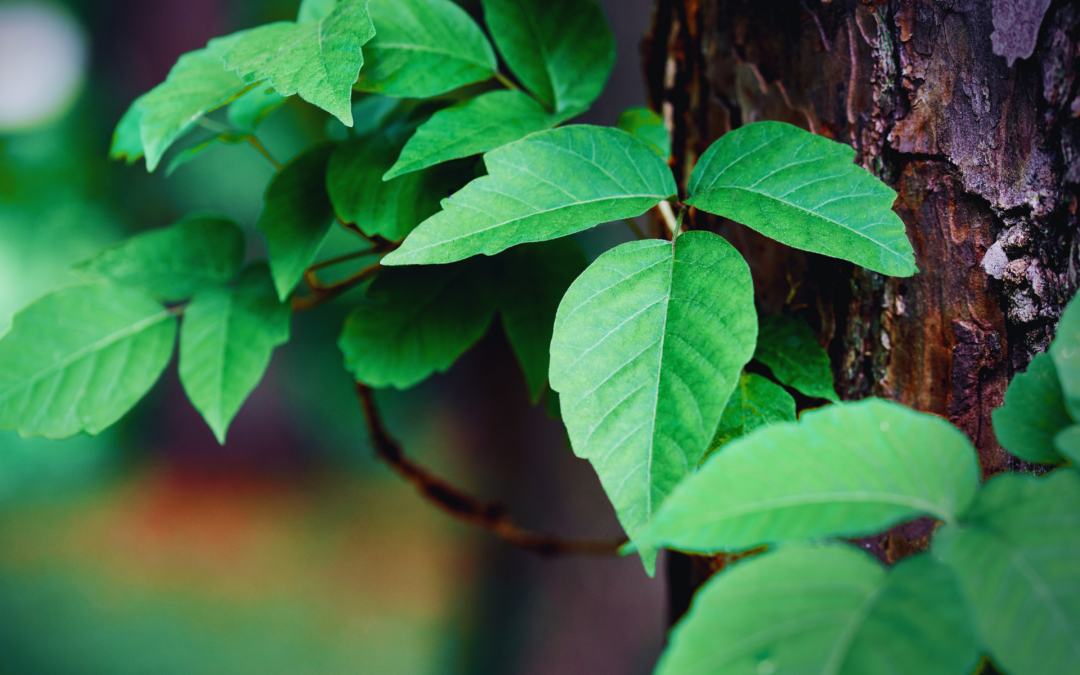
Discover the differences between poison ivy, oak, and sumac and how to care for rashes after Fountain City hikes.
Life in Knoxville, especially in the Fountain City area, often includes time spent outdoors. Whether you are visiting Fountain City Park or walking trails around Sharp’s Ridge Memorial Park, it is common to brush up against plants without realizing it. Later, an itchy rash may appear and leave you wondering what caused it.
Poison ivy, poison oak, and poison sumac are common causes of skin irritation after outdoor activity. While they are similar, each has distinct traits that can help you identify the source.
Why These Plants Cause Irritation
Each of these plants produces urushiol, an oil that triggers an allergic skin reaction. This reaction can happen quickly or take time to develop.
Common signs include:
-
- Redness and inflammation
- Itching
- Swelling
- Blisters
- Redness and inflammation
Because the oil can remain on surfaces, it is possible to spread it without realizing it.
Poison Ivy in East Tennessee
Poison ivy is the most frequently encountered plant in this region. It grows along trails, wooded areas, and even in backyards.
It is often identified by:
-
- Three leaves grouped together
- A vine that climbs trees or spreads along the ground
- Leaves that may appear glossy
- Three leaves grouped together
It can be found in both shaded and sunny areas.
Identifying Poison Oak
Poison oak is less common but still present in some areas.
It tends to have:
-
- Three leaves per stem
- Rounded edges similar to oak leaves
- A shrub-like growth pattern
- Three leaves per stem
It may be mistaken for other plants due to its fuller appearance.
Recognizing Poison Sumac
Poison sumac is less likely to be found in typical park settings but may appear in damp environments.
It can be identified by:
-
- 7 to 13 leaflets
- Smooth edges
- Growth in wet or swampy areas
- 7 to 13 leaflets
It often causes a more noticeable reaction than the other two plants.
Signs of a Rash
The rash caused by these plants is usually similar in appearance.
Symptoms may include:
-
- Red streaks or patches
- Persistent itching
- Blisters that may leak and form a crust
- Red streaks or patches
The reaction can take time to appear, which can make it difficult to identify the source.
What To Do After Contact
If you believe you have come into contact with one of these plants, take action quickly.
You should:
-
- Wash your skin with soap and cool water
- Clean under your nails
- Wash clothing and outdoor items
- Bathe pets that may have been exposed
- Wash your skin with soap and cool water
Avoid scratching to prevent further irritation.
When To Seek Medical Care
Medical care may be needed in more severe cases.
Visit AFC Urgent Care if:
-
- The rash is spreading
- Blisters are severe
- The rash affects the face or eyes
- There are signs of infection
- The rash does not improve
- The rash is spreading
Enjoy Outdoor Time with Peace of Mind
Spending time outside in Fountain City should be enjoyable. With a little awareness and preparation, you can lower your risk of exposure.
If a rash develops, AFC Urgent Care is available to help you find relief and get back to your daily routine.